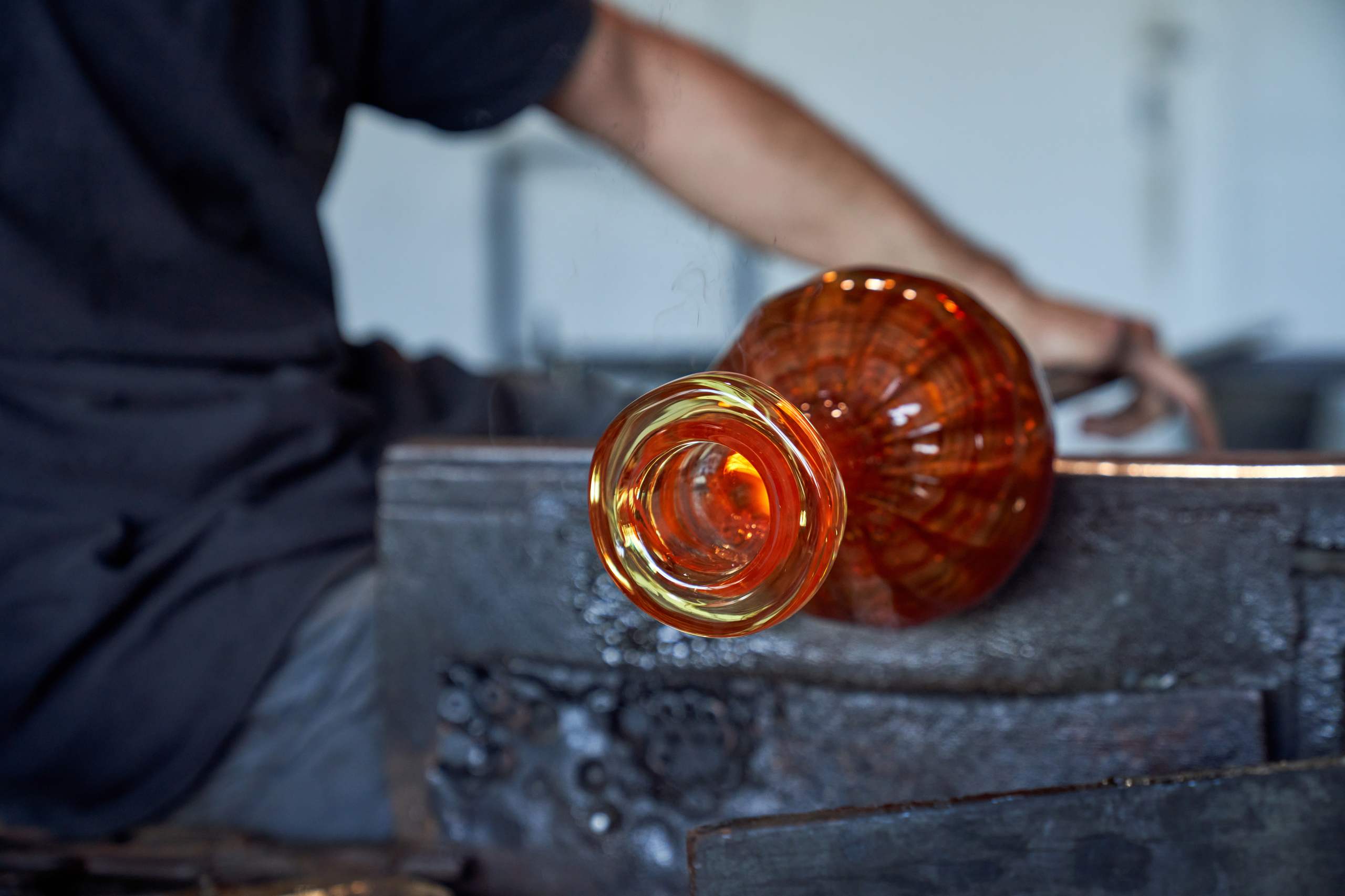
Glass fusing ranks as one of the most adaptable and user-friendly methods in current glass art. Through the use of carefully regulated heat in a kiln, artisans may fuse two or more individual glass pieces to form a cohesive motif, producing such things as decorative windows, trinkets, dinnerware, or statues.
Defining Glass Fusing
This process requires stacking sheets of compatible glass inside a kiln and raising the temperature to a point where the glass can melt together. Based on the degree of temperature and duration of firing, various degrees of finish can result from a slightly textured to a perfectly smooth surface.
Because of its flexibility, glass fusing is widely practiced by both novices and veterans.
Understanding Glass Compatibility
One of the initial things to understand when learning about glass fusing is the issue of glass compatibility. Different glass types will heat and cool differently. If you choose to fuse incompatible glass together you risk cracks and stress fractures that could appear immediately or at a later time.
Consequently, professional glass artists select materials specifically designed to be compatible in the kiln.
Creative Expressions of Glass
The possibilities for creative applications of glass fusing are almost limitless. With various types and shapes of layers and particles of glass, such as dust, frit, stringers, and metallic additions, you can design your own unique textures and patterns.
This means that in glass fusing, the kiln is not just a cooking device, but a piece of art in which you are shaping glass into shapes and structures that are hard, or even impossible, to produce if you worked only with glass-cutting tools.
How Kiln Temperature Affects the Project
A crucial aspect of fusing is the kiln temperature. If a piece is fired too quickly, or too slowly, stress will be created within the material, which could destroy the piece when the kiln cools down. The artist must therefore have knowledge of, and be able to adjust, the firing schedule.
Wrap-up
Because of this mixture of art, science and craft, glass fusing is one of the most stimulating and intriguing techniques in contemporary glass art. By understanding materials, temperature, and artistic principles, you will be able to create enduring, compelling works of art that reflect light and imagination.